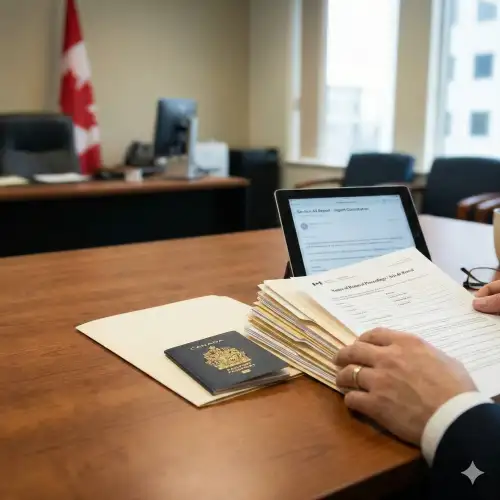
Facing removal from Canada can be frightening, especially when it happens without warning. Many people are surprised to learn that removal is not limited to foreign nationals. Permanent residents and even refugee claimants can also receive removal-related documents under the Immigration and Refugee Protection Act (IRPA).
One of the most common triggers for removal proceedings against permanent residents is failure to meet the residency obligation. Permanent residents must be physically present in Canada for at least 730 days within the last five years. If an immigration officer believes this requirement has not been met, and cannot be remedied, the officer may prepare a section 44 report under the IRPA. That report is sent to the Minister, who then decides whether to move forward with removal proceedings.
Permanent residents may also face removal due to criminal inadmissibility. In these cases, the Minister or a delegated officer has discretion to consider the full circumstances before referring the matter to the Immigration Division for an admissibility hearing. This discretion allows immigration authorities to consider important factors like family ties in Canada, length of residence, community involvement, and overall establishment in the country. In some cases, strong humanitarian considerations can stop removal before the formal process begins.
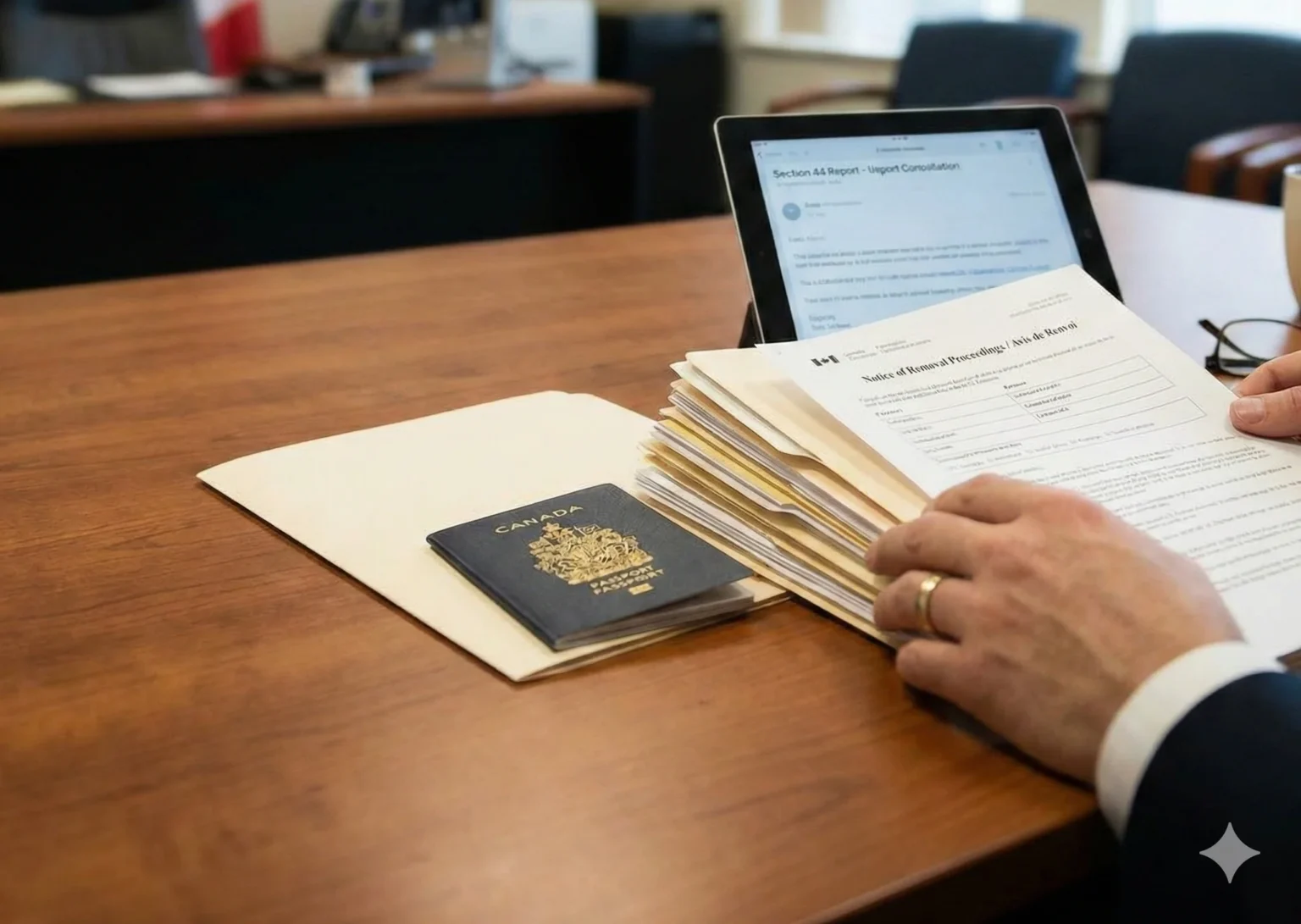
Foreign nationals, however, are treated differently. When a foreign national is alleged to be inadmissible due to criminality, the Minister does not have the same discretion to resolve the matter informally. These cases have to be referred to the Immigration Division for an admissibility hearing, which leaves far less room for early intervention.
For refugee claimants, receiving a section 44 report can be especially distressing. Many clients come to my office after making an inland refugee claim or claiming protection at a port of entry, often at an airport, and are confused about why they are being asked to sign a document stating that they may be removed from Canada despite having sought refugee protection.
This happens because most refugee claimants initially enter Canada on a temporary visa and then later apply for refugee protection. From an immigration standpoint, this can be viewed as a technical breach of the Act, triggering inadmissibility procedures. Importantly, this does not mean your refugee claim is doomed. If the claimant is successful and is granted refugee status, the inadmissibility will not prevent them from remaining in Canada.
Removal proceedings are complex, fast paced, and highly fact-specific. The differences between permanent residents, foreign nationals, and refugee claimants matter, and so does timing. In many cases, early legal advice can help clarify options, assert humanitarian considerations, and potentially stop removal before it progresses further.
If you are facing removal from Canada or have received a section 44 report, seeking legal guidance as early as possible can make a critical difference.