Some of my colleagues who exclusively practice immigration law don’t have a clue who the parties are in other legal proceedings and how the system is structured. Some young lawyers have never been exposed to any practical atmosphere of a courtroom (or a tribunal room at that point). Sadly, in college and/or law school we learn only the theoretical stuff. Of course, it is no doubt that fundamentals of law are a priority without which it is impossible to practice, but it is also important to know what to expect in court or tribunal and how to handle your legal clients’ matters from a practical perspective.
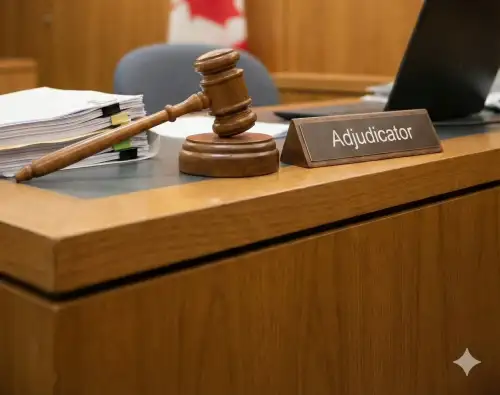
What is our Canadian justice system about? It is premised on an adversarial notion: somebody is against somebody else. Even in immigration tribunal, at a refugee hearing, there is an adjudicator (the decision-making judge — the terminology in tribunals and formal courts referring to judges is different: in court they are called judges and in tribunals, adjudicators) and a Minister’s Counsel (the representative of the immigration department) who are practically against a refugee claimant, especially a Minister’s Counsel whose role is to show the tribunal that the refugee claimant’s case is false.
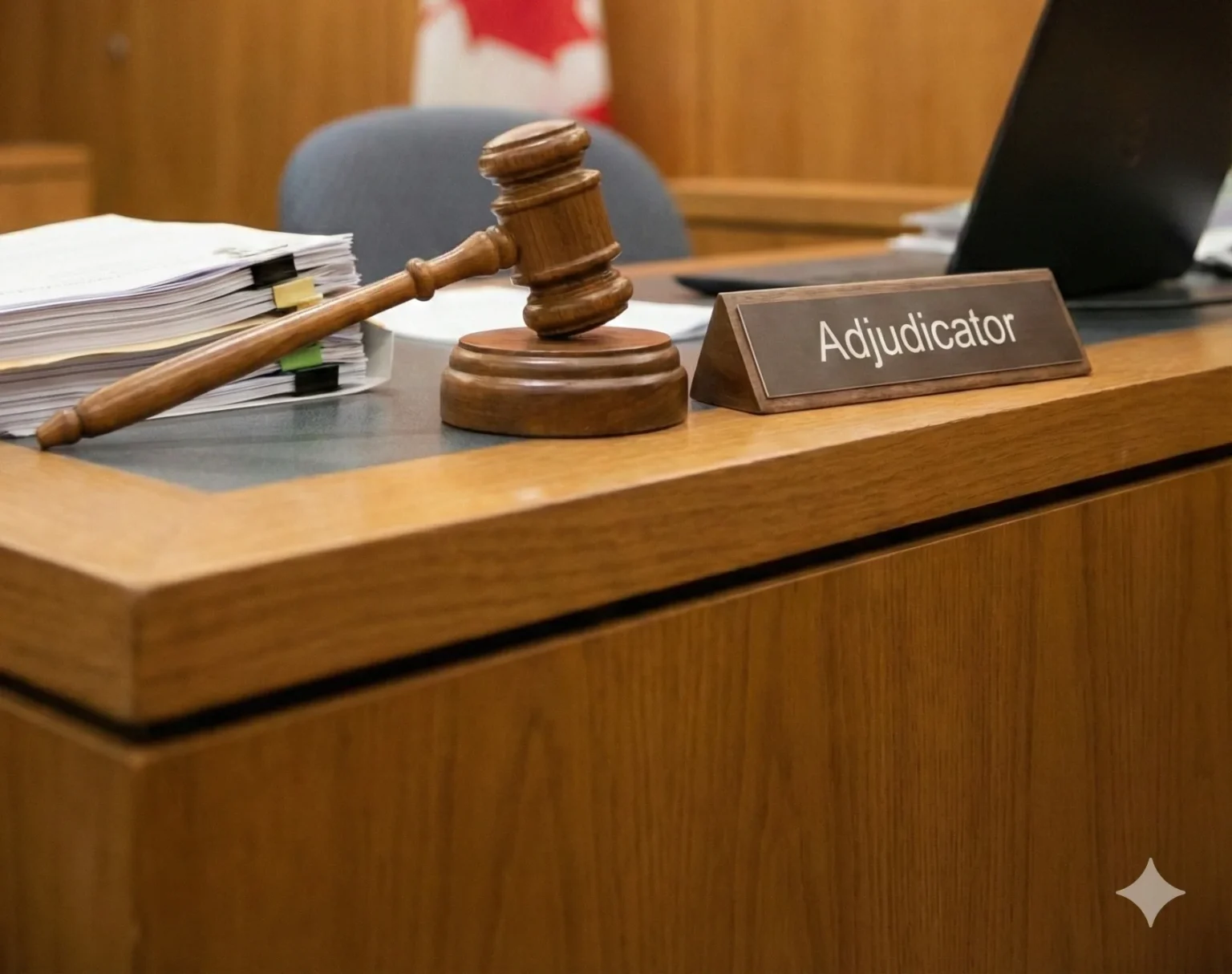
In the past, the immigration tribunal was conducted in the presence of a Canadian Border Service Agency (CBSA) officer who was playing a role similar to a prosecutor in a criminal court, with the difference that they were not openly attacking claimants. Now, the system has changed and at the hearing there are only two parties: a refugee claimant and their counsel, and the adjudicator. If the Ministry of Immigration suspects that the claim is false, the department of immigration interferes into processing and sends a Minister’s Counsel to a hearing. The fairness of the procedure requires full disclosure (showing all documents and concerns to the refugee claimant and their counsel prior to the hearing, the same as in any other formal courts).
The names of the parties in a civil litigation court are: the Plaintiff (a person who brings a claim against somebody they sue), the Defendant (a person who is sued by the Plaintiff), and the Judge (the person who decides on the outcome of the case).
In criminal proceedings, the parties are: the Prosecutor (or the Crown because although we are a sovereign country, we still share a constitutional monarchy, with the same head of state formally British subjects), the Accused (a person who allegedly committed a crime and criminal charges are brought against them by the government), the Defence Counsel (the lawyer or licensed paralegal), and the Judge (the person who decides the case). Most cases in criminal courts in Canada are decided by a single judge, not the jury.